Small Backyard Chicken Run Plan
Highlighted under: Busy Planning
When I first decided to start a small backyard chicken run, I had no idea how rewarding it would be. I envisioned fresh eggs and happy clucks, and I was eager to create a cozy, secure space for my feathered friends. After doing my research and experimenting with different designs, I learned that a well-planned chicken run not only keeps the chickens safe but also gives them ample room to roam and explore. I'm excited to share my step-by-step plan to help you build a functional and inviting space for your own backyard flock.
Building a chicken run turned out to be a crucial part of my backyard farm journey. I initially underestimated the importance of proper ventilation and space. After some trial and error, I figured out that providing at least 10 square feet per chicken helps reduce stress and keep them healthy. This plan incorporates features that cater to both the chickens' needs and my lifestyle.
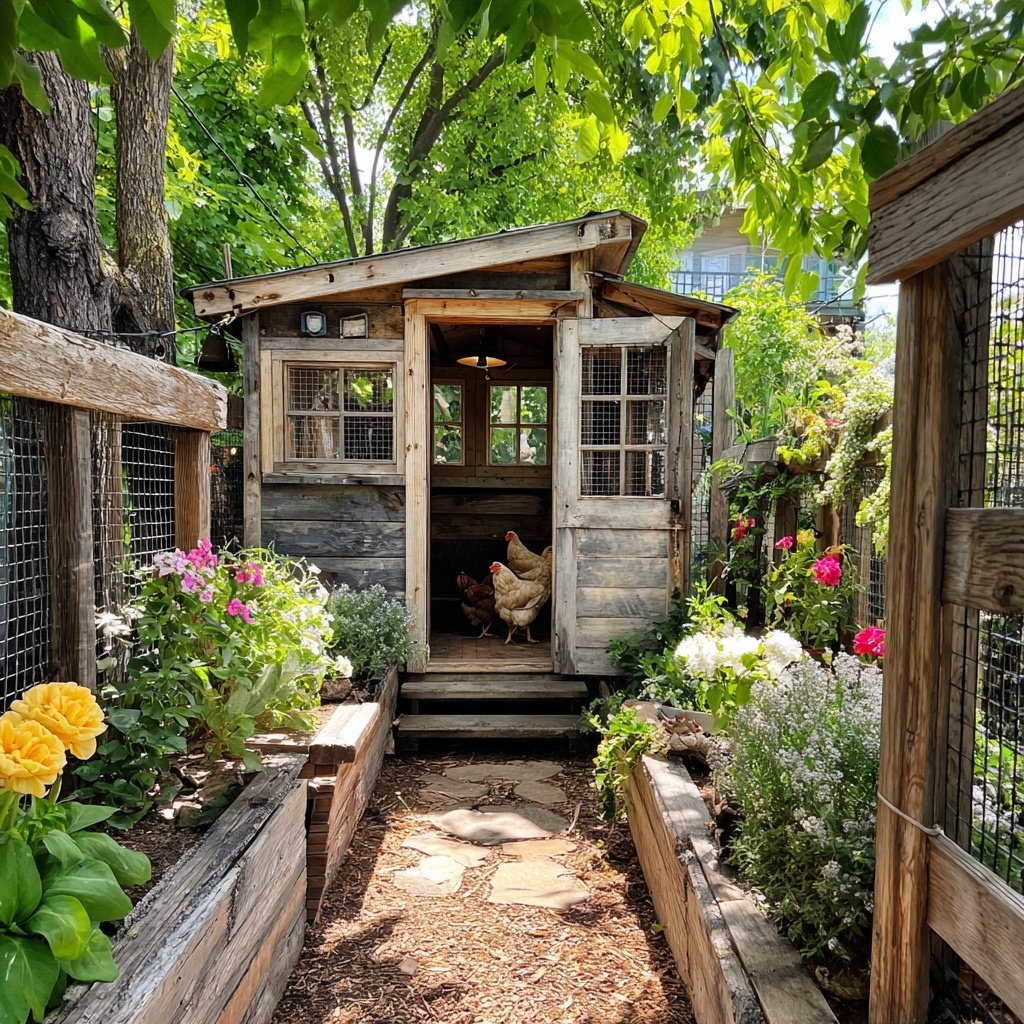
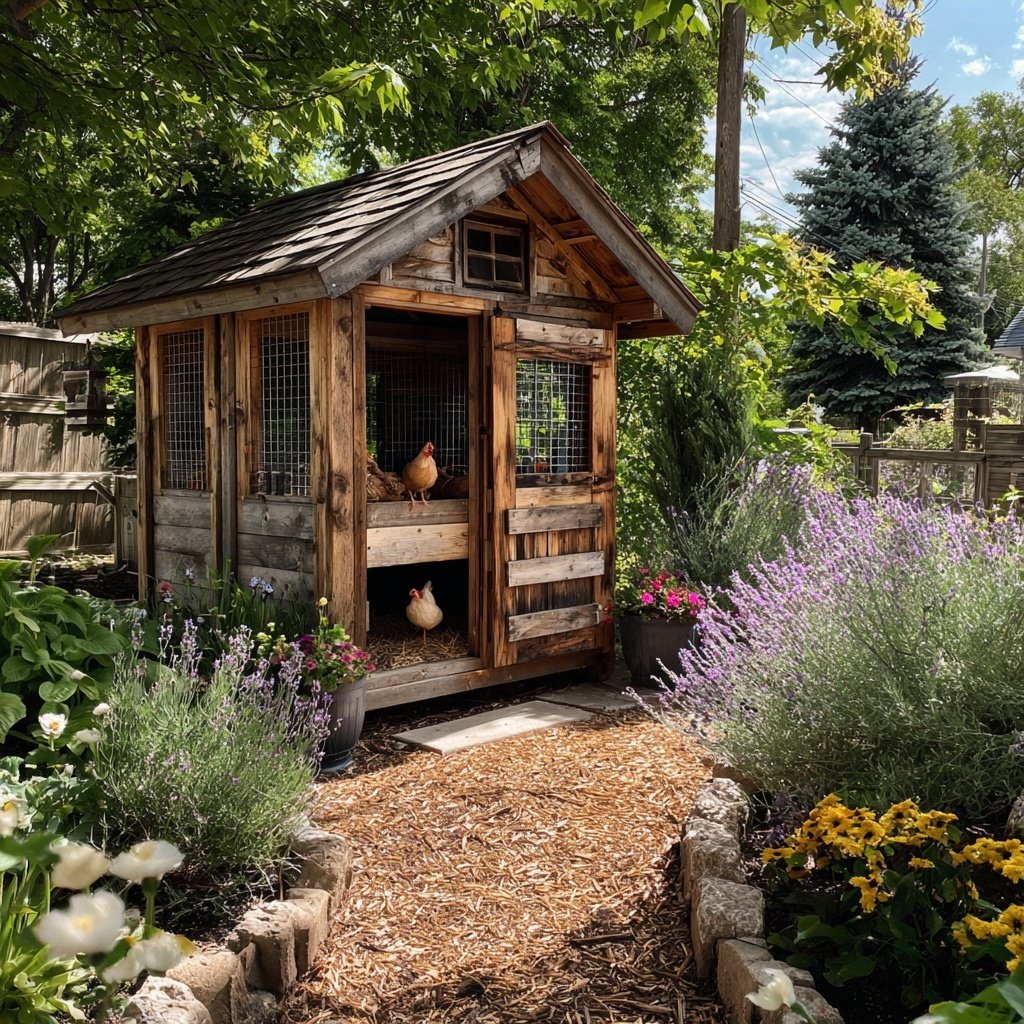
One of my favorite aspects was incorporating a shaded area to protect the chickens from harsh sun in summer months. I used repurposed wood and some wire mesh, creating a sturdy structure that blends beautifully with my garden. You'll find that creativity and practicality go hand in hand in making a functional chicken run!
Why You'll Love This Plan
- Provides a safe and secure environment for your chickens
- Encourages natural behaviors with plenty of space to roam
- Simple materials required make it budget-friendly
Understanding the Needs of Your Chickens
Chickens are social animals that thrive in an environment that mimics their natural habitat. Providing ample space ensures they can exhibit their natural behaviors such as foraging, dust bathing, and socializing. A good rule of thumb is to allow at least 10 square feet of run space per chicken. This minimizes stress and promotes a healthier flock, reducing the likelihood of aggressive behavior that can occur in confined spaces.
It's also essential to consider the ground surface of your chicken run. Chickens enjoy scratching and digging in the dirt, so opting for a grass or soil-based surface can enhance their well-being. Make sure to rotate the areas where they roam occasionally to prevent overgrazing and maintain a healthy environment. Just be mindful of drainage and mud issues during rainy seasons.
Design Tips for Your Chicken Run
When designing your chicken run, think about the orientation of the structure for maximum sunlight exposure. Chickens love the sun, and ensuring they have a sunny spot helps them stay healthy and productive. However, provide shaded areas too, using tarps or plants, so they can escape the heat and cool down during hotter days. Good airflow is also critical to minimize moisture buildup.
Incorporating varied levels in your design, such as raised platforms or perches, can stimulate your chickens' instincts to explore and keep them entertained. For instance, a low platform can serve as a great dust bathing spot while taller perches allow for optimal roosting at night. Consider adding visual barriers, such as shrubs or wooden panels, to create different zones within the run; this prevents boredom and allows for natural pecking order to establish.
Ingredients
Materials Needed:
Materials
- Wood for the frame
- Wire mesh
- Hinges and latches
- Roofing material
- Nails and screws
- Paint or stain (optional)
With all the materials ready, it's time to get started on building!
Instructions
Steps to Build Your Chicken Run:
Design Your Layout
Sketch a simple layout of your chicken run. Take note of the dimensions and ensure it meets the space requirement for your chickens.
Gather Materials
Collect all the necessary materials listed above, ensuring you choose sturdy wood and durable wire mesh.
Build the Frame
Construct the frame using your wooden pieces, ensuring all corners are secure and reinforced.
Attach Wire Mesh
Wrap wire mesh around the frame for a secure enclosure. Ensure it’s fastened tightly to prevent any escapes.
Create Access Points
Install a door to allow easy access for feeding and cleaning. Make sure it closes securely.
Add Roofing
Cover the top with roofing material to protect from predators and harsh weather.
Finalize the Setup
Add features like perches, nesting boxes, and a dust bath to enhance your chickens' living experience.
Now that your chicken run is complete, watch your chickens thrive in their new home!
Pro Tips
- Consider adding a water feature to keep your chickens cool and hydrated during hot months. Regularly check for wear and tear on the wire mesh and wooden frame to maintain safety.
Building and Maintaining Your Chicken Run
When building your chicken run's frame, ensure that all joints are rabbeted or half-lapped for enhanced strength. This construction method provides stability and can withstand weather elements better than traditional butt joints. Use galvanised nails and screws for outdoor durability and to resist rust. Regularly inspect your run for any potential weak points, especially after severe weather, to prevent predator breaches.
Once your run is complete, maintaining a clean environment is crucial. Invest in a strong rake to manage droppings and debris easily. Aim to clean at least once a week, more frequently in hot weather to prevent odors and attract pests. Installing removable flooring, like wood chips or sand, makes for easy cleaning and can be replaced as needed, keeping your chickens' space pleasant and hygienic.
Enhancing Your Chickens' Living Environment
Adding nesting boxes inside your chicken run will not only provide a comfortable space for egg laying but also help keep the eggs clean and safe from dirt or pecking. A general guideline is to have one nesting box for every three hens, ensuring they have plenty of options. Lining the boxes with straw or hay provides comfort and aids in egg production.
Consider introducing enrichment items such as hanging cabbages or mirrored surfaces that can stimulate curiosity. These inexpensive changes can keep your chickens mentally engaged and physically active. Moreover, diversifying their diet with occasional treats like fruits and vegetables can enhance their overall health, leading to better egg production and happier clucking companions.
Questions About Recipes
→ What materials are best for the chicken run?
Use treated wood for the frame and galvanized wire mesh for durability against harsh weather and predators.
→ How much space do my chickens need?
Provide at least 10 square feet per chicken in the run to ensure their comfort and well-being.
→ Can I build a chicken run attached to my coop?
Yes, attaching a run to the coop can provide easy access for your chickens and simplify feeding and cleaning.
→ What should I do to keep pests out?
Ensure the base of the run is buried underground or lined with a secure barrier to keep out burrowing pests.
Small Backyard Chicken Run Plan
Created by: Violet Kingsley
Recipe Type: Busy Planning
Skill Level: Beginner
Final Quantity: 4 chickens
What You'll Need
Materials
- Wood for the frame
- Wire mesh
- Hinges and latches
- Roofing material
- Nails and screws
- Paint or stain (optional)
How-To Steps
Sketch a simple layout of your chicken run. Take note of the dimensions and ensure it meets the space requirement for your chickens.
Collect all the necessary materials listed above, ensuring you choose sturdy wood and durable wire mesh.
Construct the frame using your wooden pieces, ensuring all corners are secure and reinforced.
Wrap wire mesh around the frame for a secure enclosure. Ensure it’s fastened tightly to prevent any escapes.
Install a door to allow easy access for feeding and cleaning. Make sure it closes securely.
Cover the top with roofing material to protect from predators and harsh weather.
Add features like perches, nesting boxes, and a dust bath to enhance your chickens' living experience.
Extra Tips
- Consider adding a water feature to keep your chickens cool and hydrated during hot months. Regularly check for wear and tear on the wire mesh and wooden frame to maintain safety.
Nutritional Breakdown (Per Serving)
- Calories: 0 kcal
- Total Fat: 0g
- Saturated Fat: 0g
- Cholesterol: 0mg
- Sodium: 0mg
- Total Carbohydrates: 0g
- Dietary Fiber: 0g
- Sugars: 0g
- Protein: 0g