Herb Roasted Vegetable Couscous
Highlighted under: Smart Planning
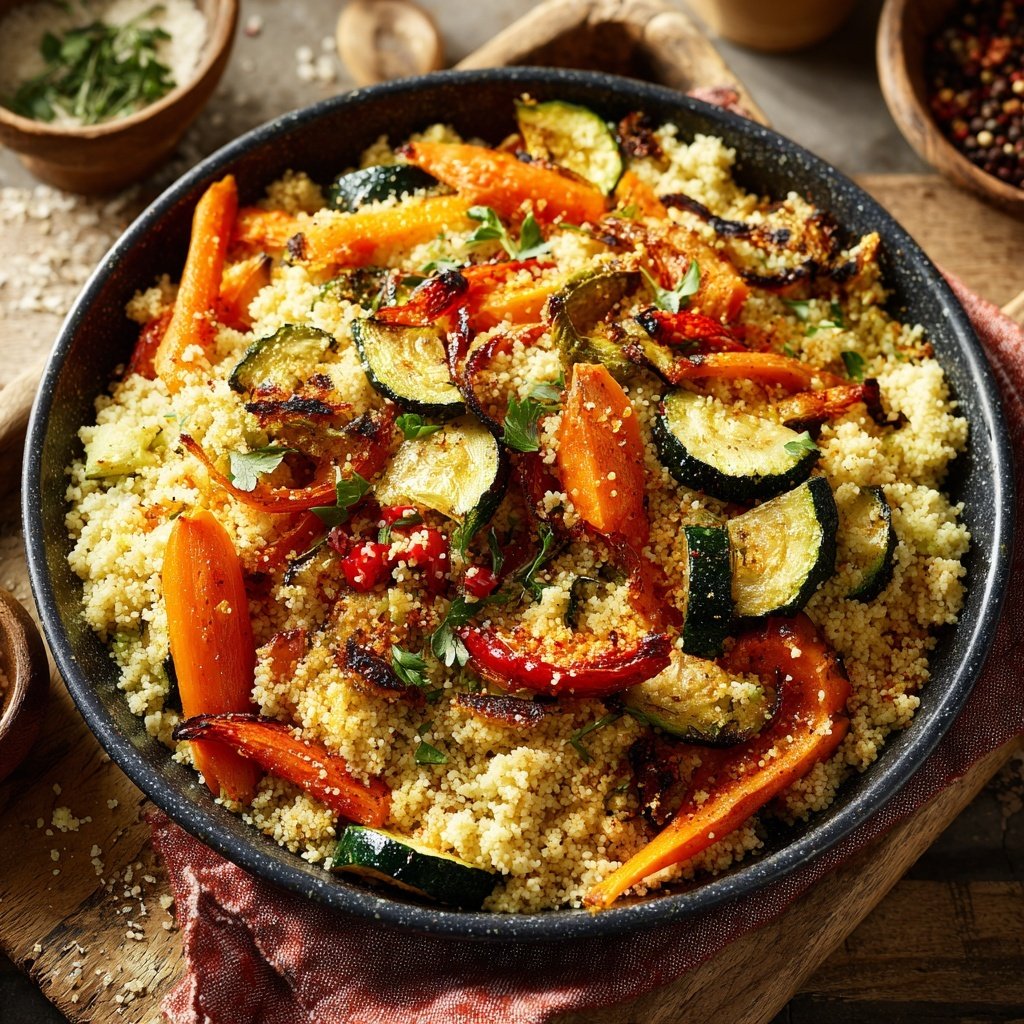
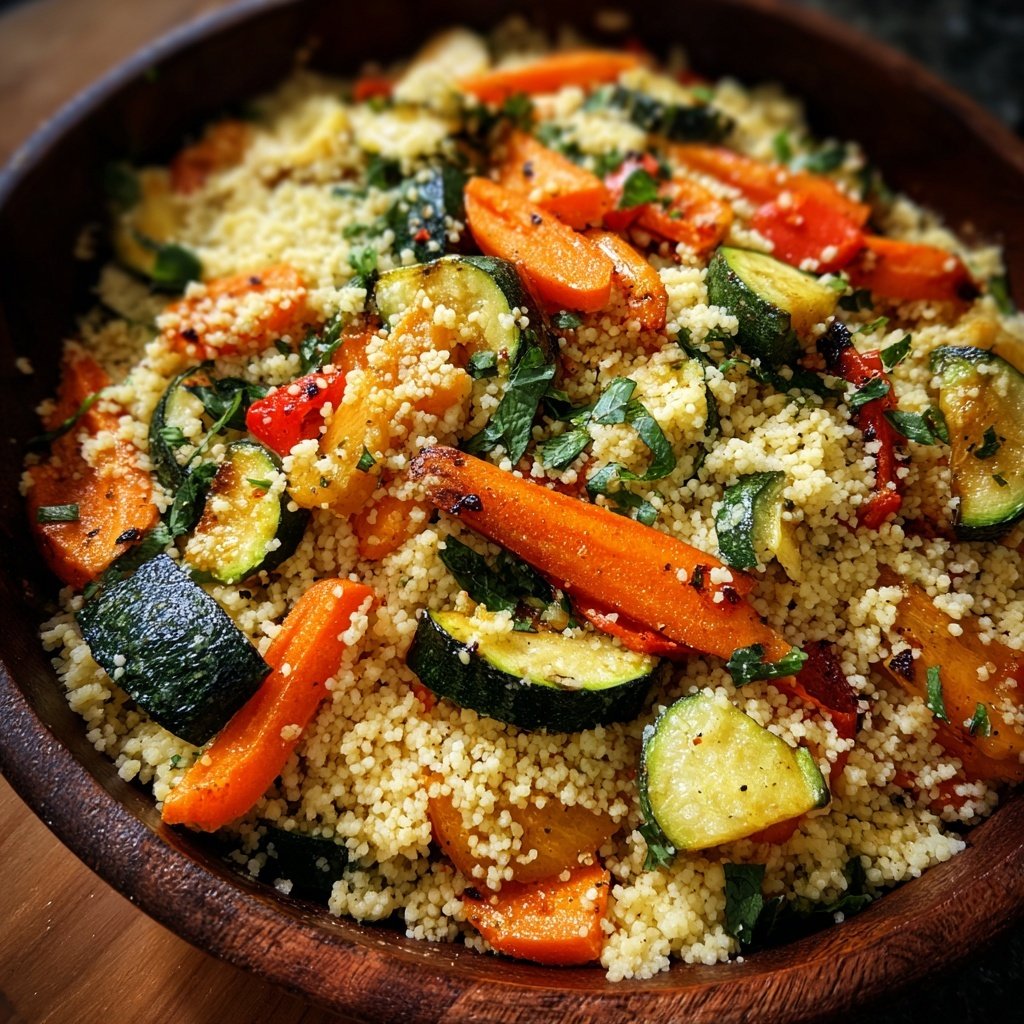
I absolutely love creating simple yet flavorful dishes, and my Herb Roasted Vegetable Couscous is a prime example. With just a handful of fresh vegetables and aromatic herbs, this recipe highlights the beauty of using seasonal produce. The warm, fluffy couscous acts as a perfect base, soaking up all the delicious juices from the roasted veggies. Whether served as a side or a light main, this dish is all about embracing vibrant colors and tastes that can uplift any meal.
When I first made this Herb Roasted Vegetable Couscous, I didn’t expect it to become one of my go-to recipes. I was aiming for a quick meal, but the combination of herbs with roasted veggies completely transformed it into something special. I used a mix of zucchini, bell peppers, and cherry tomatoes, all roasted until beautifully caramelized. It’s amazing how simple ingredients can create such depth of flavor!
One thing I highly suggest is to let the couscous steam in the same pot as the vegetables after roasting. This method allows it to absorb all those savory juices and enhances the overall taste of the dish. The couscous becomes fluffy and fragrant, making it the star of the show!
Why You'll Love This Recipe
- Fresh seasonal vegetables that burst with flavor
- Herbs that elevate every bite with aromatic goodness
- Quick and easy, perfect for weeknight dinners
Selecting the Right Vegetables
Choosing fresh, seasonal vegetables is crucial for the flavor profile of this Herb Roasted Vegetable Couscous. Look for vibrant, firm zucchini, sweet bell peppers, and juicy cherry tomatoes at their peak ripeness. If you'd like to experiment, consider using eggplant or asparagus, which can also add unique textures. It’s best to cut the vegetables into similar-sized pieces to ensure they roast evenly, achieving that perfect tenderness and caramelization.
When preparing the vegetables, aim for a nice contrast in colors. This not only makes the dish visually appealing but also elevates the flavor diversity. Roasting enhances the natural sweetness of the vegetables, and the herbs' aromatic qualities will infuse during the cooking process. Ensure your vegetables are well-coated with oil and seasoning for that golden color and delicious flavor.
Mastering the Couscous
Couscous acts as a wonderful base, soaking up the juices and flavors from the roasted vegetables. For best results, bring your vegetable broth to a rolling boil before adding the couscous. This step ensures that the grains cook evenly. Once the couscous is added, resist the urge to stir as it will create a gummy texture; simply cover and let it sit undisturbed.
If you want to enhance the flavor of your couscous, consider adding a squeeze of fresh lemon juice or a sprinkle of zest to the broth before cooking. This brightens the overall dish. If you're looking for a gluten-free option, swap couscous with quinoa or gluten-free couscous for a similar texture that also complements the roasted vegetables beautifully.
Serving Suggestions and Variations
This dish can be served warm as a light main course or as an eye-catching side. I recommend pairing it with grilled chicken, fish, or even a hearty bean salad to create a balanced meal. For a vegetarian option, consider topping it with crumbled feta or toasted nuts for added protein and crunch.
If you're looking to prepare this dish ahead of time, both the roasted vegetables and couscous store well in the refrigerator for up to three days. To reheat, simply warm in the microwave or sauté over low heat in a pan, adding a splash more broth or olive oil to rejuvenate the flavors. Feel free to get creative by incorporating any leftover vegetables or herbs you have on hand.
Ingredients
For the Couscous
- 1 cup couscous
- 1 1/4 cups vegetable broth
- 2 tablespoons olive oil
- Salt and pepper to taste
For the Roasted Vegetables
- 1 zucchini, diced
- 1 red bell pepper, diced
- 1 yellow bell pepper, diced
- 1 cup cherry tomatoes, halved
- 2 tablespoons olive oil
- 1 teaspoon dried thyme
- 1 teaspoon dried oregano
- Salt and pepper to taste
Directions
Preheat the Oven
Preheat your oven to 400°F (200°C).
Prepare Vegetables
In a mixing bowl, combine diced zucchini, bell peppers, and cherry tomatoes. Drizzle with olive oil and sprinkle with thyme, oregano, salt, and pepper. Toss well to coat.
Roast the Vegetables
Spread the vegetable mixture on a baking sheet in a single layer and roast in the preheated oven for 25–30 minutes, or until golden and tender.
Cook the Couscous
In a medium saucepan, bring vegetable broth to a boil. Add couscous, olive oil, salt, and pepper. Cover and remove from heat, letting it sit for about 5 minutes until the liquid is absorbed.
Combine and Serve
Fluff the couscous with a fork and mix in the roasted vegetables. Adjust seasoning as needed. Serve warm and enjoy!
Pro Tips
- For added flavor, consider adding a squeeze of lemon juice or a sprinkle of feta cheese before serving.
Key Techniques for Success
When roasting vegetables, make sure to spread them out in a single layer on the baking sheet. Overcrowding can trap steam, preventing them from achieving that desirable crispiness. You can also opt to line your baking sheet with parchment paper for easier cleanup and to help prevent sticking. If you notice some vegetables are browning quicker than others, simply remove them as needed to avoid burning.
To achieve perfect couscous, it's important to monitor the cooking time closely. Different brands and types may require varying amounts of liquid and cooking time, so always refer to the package instructions. If you accidentally add too much broth and the couscous is too wet, you can spread it out on a baking sheet to cool and dry out slightly.
Ingredient Substitutions
Feel free to swap out the vegetables depending on what you have available. For instance, butternut squash instead of zucchini, or including roasted carrots could add a nice sweetness. If you want to up the herb game, fresh herbs like basil or parsley can be thrown in at the end for a pop of freshness. Just remember, the amount of seasoning might need to be adjusted based on your substitutions.
If you prefer a different grain entirely, consider using farro or barley. Just keep in mind you'll need to adjust the liquid and cooking times according to what you're using. Both of these grains provide a hearty base that complements the roasted vegetables wonderfully, while still offering their own unique flavors and textures.
Storing and Reheating Tips
To store leftover couscous and roasted vegetables, let them cool completely before transferring them to an airtight container. Properly stored in the fridge, they can last for up to three days. If preparing in advance, consider keeping the couscous and roasted vegetables separate until you're ready to serve, to prevent the couscous from becoming soggy.
When reheating, add a splash of broth or water to the couscous to help revive its fluffy texture. A quick heat in a skillet works wonders, giving the couscous a nice light toast while heating through. Ensure the vegetables are heated until warm but not overdone to maintain their integrity and flavor.
Questions About Recipes
→ Can I use different vegetables?
Absolutely! Feel free to substitute with your favorites or seasonal veggies.
→ Is this recipe vegan?
Yes, all ingredients are plant-based, making it a great vegan option.
→ How can I store leftovers?
Store in an airtight container in the fridge for up to 3 days. Reheat before serving.
→ Can I make this dish gluten-free?
You can use gluten-free couscous or a quinoa substitute for a gluten-free version.
Herb Roasted Vegetable Couscous
Created by: Violet Kingsley
Recipe Type: Smart Planning
Skill Level: Easy
Final Quantity: 4 servings
What You'll Need
For the Couscous
- 1 cup couscous
- 1 1/4 cups vegetable broth
- 2 tablespoons olive oil
- Salt and pepper to taste
For the Roasted Vegetables
- 1 zucchini, diced
- 1 red bell pepper, diced
- 1 yellow bell pepper, diced
- 1 cup cherry tomatoes, halved
- 2 tablespoons olive oil
- 1 teaspoon dried thyme
- 1 teaspoon dried oregano
- Salt and pepper to taste
How-To Steps
Preheat your oven to 400°F (200°C).
In a mixing bowl, combine diced zucchini, bell peppers, and cherry tomatoes. Drizzle with olive oil and sprinkle with thyme, oregano, salt, and pepper. Toss well to coat.
Spread the vegetable mixture on a baking sheet in a single layer and roast in the preheated oven for 25–30 minutes, or until golden and tender.
In a medium saucepan, bring vegetable broth to a boil. Add couscous, olive oil, salt, and pepper. Cover and remove from heat, letting it sit for about 5 minutes until the liquid is absorbed.
Fluff the couscous with a fork and mix in the roasted vegetables. Adjust seasoning as needed. Serve warm and enjoy!
Extra Tips
- For added flavor, consider adding a squeeze of lemon juice or a sprinkle of feta cheese before serving.
Nutritional Breakdown (Per Serving)
- Calories: 280 kcal
- Total Fat: 10g
- Saturated Fat: 1g
- Cholesterol: 0mg
- Sodium: 150mg
- Total Carbohydrates: 42g
- Dietary Fiber: 5g
- Sugars: 4g
- Protein: 8g